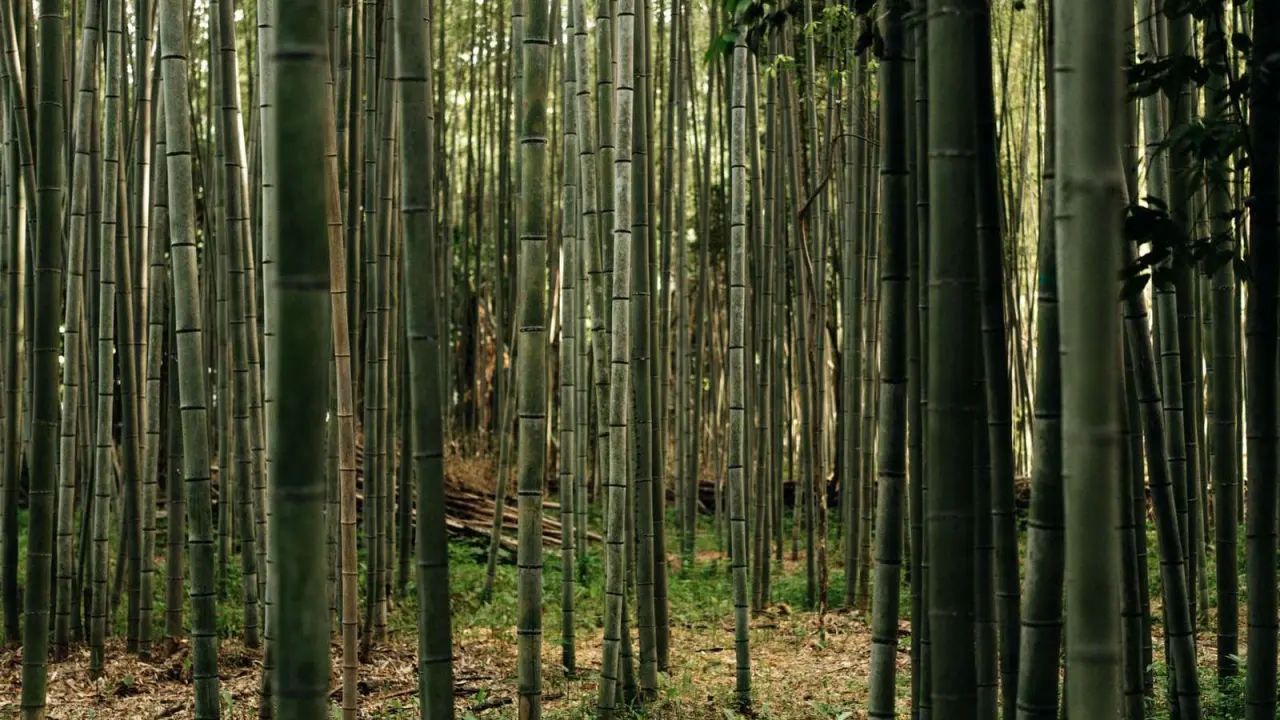
Is bamboo a sustainable building material? It can be, but only if the structure lasts. You get the environmental benefit from bamboo that is protected from decay and designed to a recognised standard.
This guide is part of the wider topic of sustainable building, where a material is judged on more than one measure.
| Item | Value |
|---|---|
| Structural design standard for round bamboo | ISO 22156:2021, Edition 2, published June 2021 |
| Edition it replaced | ISO 22156:2004 (withdrawn) |
| Maximum building height covered | 7 m |
| Storeys covered | One and two |
| Main causes of bamboo decay reviewed | Beetle, termite and fungal |
The figures come from the ISO committee page for ISO 22156:2021 and the NOCMAT 2022 durability paper on Zenodo. Standards get reviewed and revised, so check the source before you rely on them.
What decides whether bamboo is sustainable?
The sources behind this guide do not put a carbon figure or a growth rate on bamboo, so this guide does not either. What they do say is that durability is central. A 2022 conference paper calls it “one of the most important aspects to consider when designing and building with this nature-based material.”
The same paper links durability to environmental performance. It says durable bamboo structures are resilient, cost-effective and have a lower whole life-cycle environmental impact. A bamboo building that rots early has to be repaired or replaced, which cancels out much of the benefit of choosing a natural material.
Why durability is bamboo’s weak point and its opportunity
The NOCMAT 2022 paper reviews the main causes of decay in whole-culm bamboo. If you are weighing bamboo for a building, these are the threats to ask about:
- Beetle attack
- Termite attack
- Fungal decay
The paper also discusses how well different treatments work, both traditional and modern. It sets out to correct common misconceptions about bamboo durability and about preservation methods, so a claim such as “bamboo lasts forever” or “bamboo never lasts” deserves a check against a technical source.
The paper presents the durability framework in ISO 22156, which is based on Use Classes. In plain terms, the way the bamboo will be used and exposed shapes how it needs to be protected.
What ISO 22156 covers
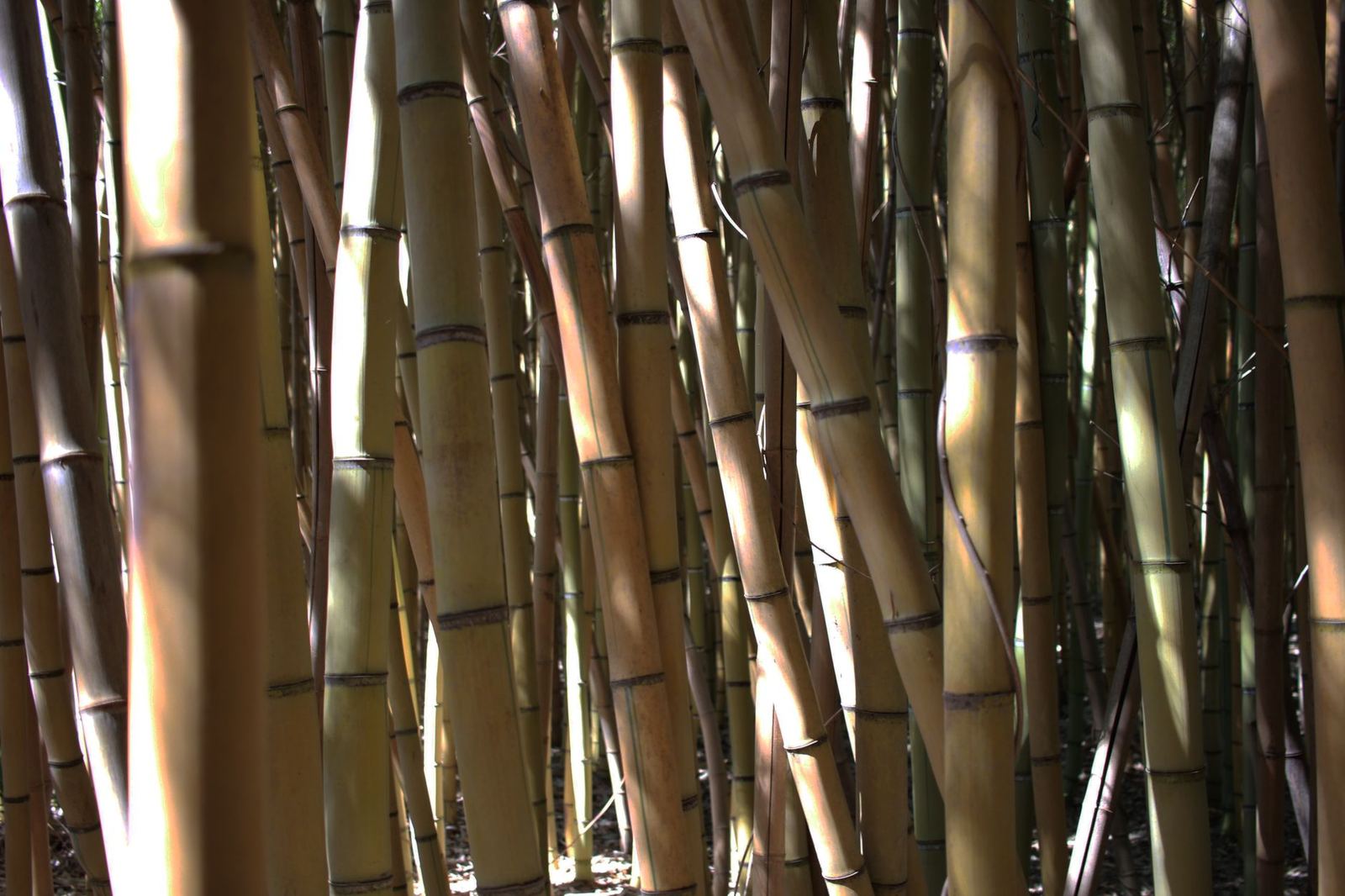
ISO 22156:2021 applies to the design of structures whose primary load-bearing structure is made of round bamboo, or of shear panel systems framed with round bamboo. It is Edition 2 and runs to 48 pages. It replaced ISO 22156:2004, which is listed as withdrawn.
The scope is deliberately limited. It applies to these building types, up to 7 m in height:
- one- and two-storey residential buildings
- small commercial or institutional buildings
- light industrial buildings
The standard is concerned only with mechanical resistance, serviceability and durability. It gives modification factors that it describes as empirically derived, based on best available engineering judgement. A paper copy was listed at CHF 181 on the ISO page.
Limits you should plan for
The standard states what it does not cover, and those exclusions matter if you are comparing bamboo with other materials. Read them as the edges of what the standard can vouch for.
- Engineered bamboo products such as glue-laminated bamboo, cross-laminated bamboo, oriented strand and densified bamboo are outside its scope.
- Bamboo-reinforced concrete, masonry and soil are excluded, because bamboo is not the primary load-bearing part.
- Scaffold structures built with bamboo are excluded.
- Thermal and sound insulation are not considered, so a design needs other guidance for them.
Height is another limit. The standard’s main scope stops at 7 m, so taller bamboo buildings fall outside what this standard addresses. As of the ISO page’s 2026 listing, the standard was also under systematic review, with the review stage dated 15 April 2026 and a close of review dated 3 September 2026. The page does not say what the review decided.
How to judge a bamboo project
Use the sources above as a checklist rather than a verdict. The sustainability of a bamboo building comes from the choices made on each project.
- Ask whether the design follows a recognised standard such as ISO 22156, and whether the building type fits its scope.
- Ask how the bamboo is protected against beetle, termite and fungal attack, and which Use Class the design assumes.
- Check whether the claim covers round bamboo or an engineered product, because the standard treats them differently.
- Ask who handles thermal and sound performance, since the standard leaves them out.
For a closer look at how the material is used on site, see our page on bamboo construction. If you want another low-impact option to compare it with, rammed earth construction is a useful contrast.
The ISO page also notes that the standard contributes to Sustainable Development Goal 11, Sustainable Cities and Communities. That tells you what the standard is meant to support, but it is not a sustainability rating for any single building.
Frequently asked questions
Is bamboo automatically a sustainable building material?
Show answer
No. The NOCMAT 2022 paper ties lower life-cycle environmental impact to durable structures, so a bamboo building that decays early loses that advantage.
What damages bamboo in buildings?
Show answer
The NOCMAT 2022 paper reviews beetle, termite and fungal decay as the main causes. It also discusses traditional and modern treatments.
Is there an international standard for designing with bamboo?
Show answer
Yes. ISO 22156:2021 covers structural design with bamboo culms. It is Edition 2, published June 2021, and it replaced ISO 22156:2004, which the ISO page lists as withdrawn.
Does the standard cover engineered bamboo products?
Show answer
No. Glue-laminated, cross-laminated, oriented strand and densified bamboo are excluded. So are bamboo-reinforced concrete, masonry and soil.