Wondering whether your trip helps or harms the place you visit? Responsible tourism means minimising negative impacts and giving local people real benefits, as the 2002 Cape Town Declaration set out. You can start with a few everyday choices.
This guide sits within the broader topic of sustainable travel.
| Item | Value |
|---|---|
| Cape Town Declaration published by TravelMole | 26 August 2002 |
| Countries represented at the conference | 20 countries |
| Time since the Rio Earth Summit, at the time of writing | ten years |
| National guidelines the conference examined | South African Guidelines for Responsible Tourism |
| Level at which tourism can be managed for sustainability | Destination level |
These facts come from the TravelMole publication of the declaration. Figures and wording can change, so check the source before you rely on them.
What responsible tourism means
The Cape Town Declaration was the outcome statement of a conference on Responsible Tourism in Destinations. It was written by tour operators, entrepreneurs, national parks, governments, NGOs, hotel groups and other tourism stakeholders from 20 countries.
The text does not treat the idea as a single fixed recipe. It accepts that responsible and sustainable tourism will be achieved in different ways in different places, so the right choice in one destination may not suit another.
It also places the duty on everyone involved. The signatories accepted that it is the responsibility of all stakeholders in tourism to achieve more sustainable forms of tourism, and that includes you as a traveller.
Principles from the Cape Town Declaration
As of the declaration’s publication on 26 August 2002, it described responsible tourism through a list of characteristics. In plain terms, this kind of tourism:
- minimises negative economic, environmental and social impacts;
- generates greater economic benefits for local people and improves the well-being of host communities;
- involves local people in decisions that affect their lives;
- makes positive contributions to the conservation of natural and cultural heritage;
- offers tourists more meaningful connections with local people;
- provides access for physically challenged people; and
- is culturally sensitive, builds respect between tourists and hosts, and builds local pride and confidence.
Notice that the list covers money, nature and people together. A trip that protects a reef but pays local workers poorly, or one that employs locals but ignores their customs, only meets part of the picture.
Why the destination is where it counts
The declaration is blunt about where the work happens. It states that tourism can only be managed for sustainability at the destination level, where businesses, communities and visitors actually meet.
For you, that means the best information usually comes from the place itself. Local guidelines, community notices and local operators know more about limits and sensitivities than any generic checklist.
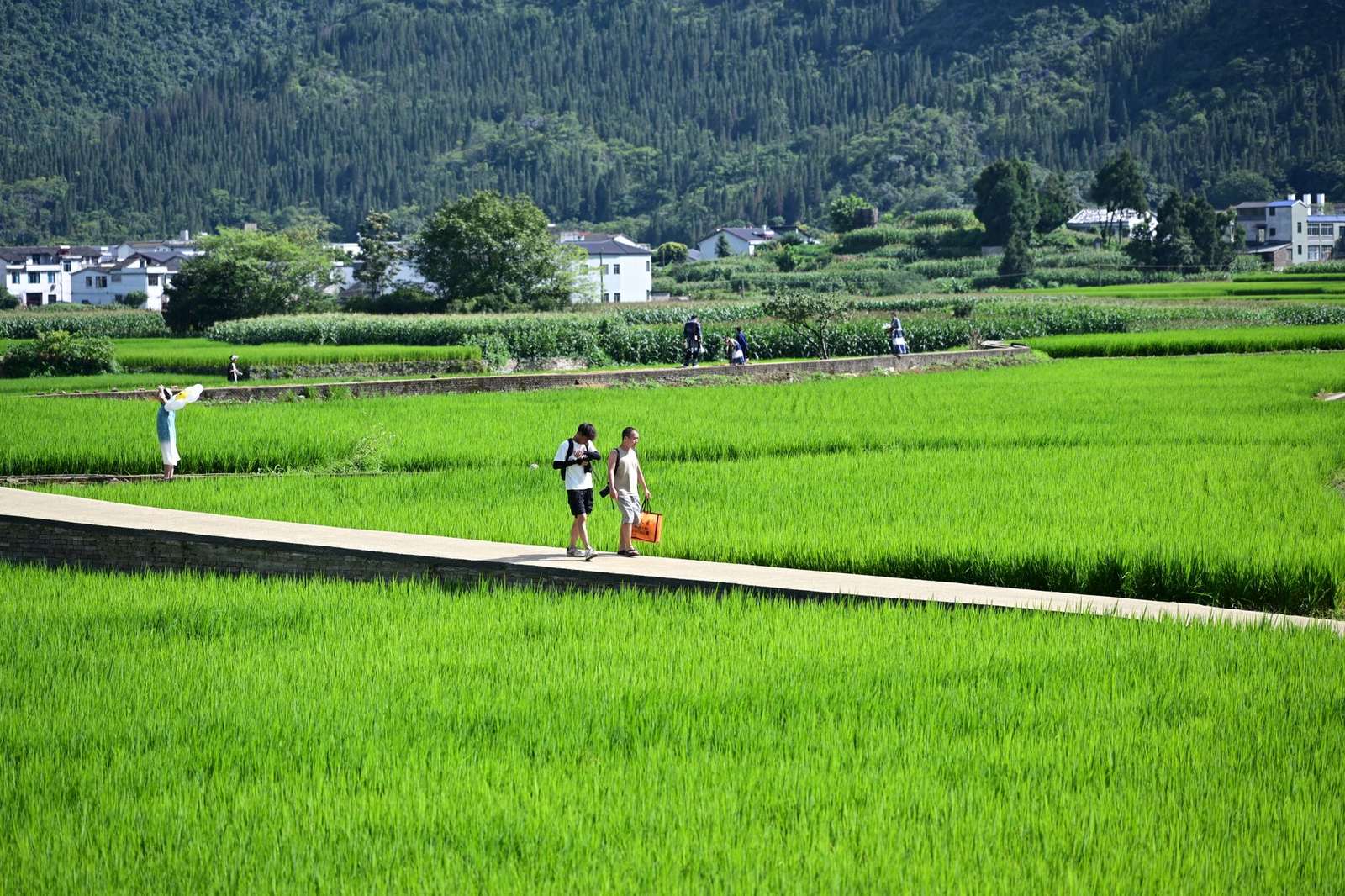
The text also admits that limits are sometimes needed. It recognised that, to protect the cultural, social and environmental integrity of destinations, limits to tourism development are sometimes necessary.
Everyday choices that follow the principles
The declaration is aimed at governments and businesses as well as travellers, so the steps below are one reading of how its principles can shape your own decisions. They are not rules from the text.
- Spend where local people benefit. The declaration calls for greater economic benefits for local people, so favour locally owned guides, restaurants and shops where you can tell the difference.
- Ask who decides. Because responsible tourism involves local people in decisions that affect them, look for operators that explain how the community takes part.
- Learn before you arrive. The text values a greater understanding of local cultural, social and environmental issues, so read about customs and local concerns first.
- Respect limits. If a site caps numbers or closes an area, treat that as part of protecting it, not as an obstacle.
- Check access and fairness. The declaration mentions improved working conditions and access for physically challenged people, so notice whether a business addresses both.
Where you stay is a good place to apply these questions. Our guide to eco lodges looks at how to judge a stay on its own terms.
Getting there raises a separate question that the source text does not cover. If transport worries you, the carbon footprint of flying is worth reading about before you book.
Where progress was limited
The signatories were frank about the gaps. They recognised considerable progress in addressing the environmental impacts of tourism, although there was a long way to go to achieve sustainability.
They also noted that more limited progress had been made in harnessing tourism for local economic development and in managing social impacts. That is useful for you as a traveller, because it suggests asking about people and pay as often as you ask about nature.
Frequently asked questions
Is responsible tourism the same as sustainable tourism?
Show answer
The declaration uses the terms side by side. Its signatories committed to pursue the principles of responsible tourism in order to make tourism more sustainable, so the two ideas are closely linked.
Who is responsible for making tourism responsible?
Show answer
The declaration calls on planning authorities, tourism businesses, tourists and local communities to take responsibility. It names tourists directly, so your choices count alongside those of operators and governments.
Does responsible tourism mean avoiding popular places?
Show answer
The source does not say that. It says responsible and sustainable tourism will be achieved in different ways in different places, so look for local guidance about each destination.
Is the Cape Town Declaration the latest word on the topic?
Show answer
No. As of its publication on 26 August 2002, it set out a set of principles and called for destinations to develop practical guidelines. Treat it as a foundation and check newer local rules before you travel.