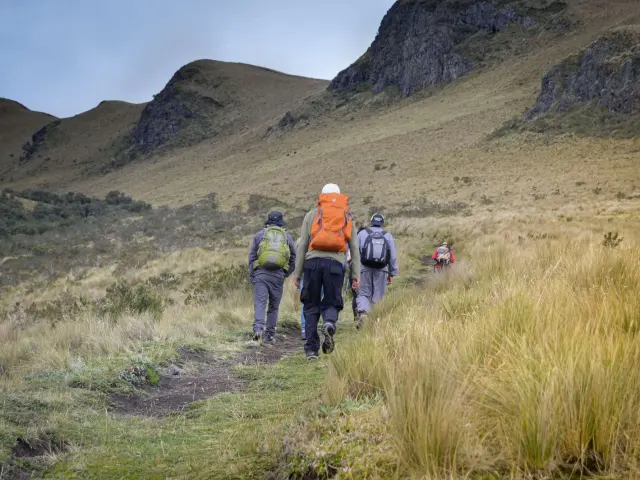
Worried your trip might do more harm than good? Sustainable travel in Southeast Asia starts with simple choices: lower-carbon transport, certified local businesses, community-run experiences, and visits that reach beyond the busiest places.
This guide sits within the wider topic of sustainable travel and focuses on one region.
| Key fact | Value |
|---|---|
| Travel and tourism share of regional GDP (2019) | 12.1% |
| Workers employed by travel and tourism (2019) | 42 million |
| Drop in international visitor arrivals (2020) | 82% |
| Tourism contribution to regional GDP (2024) | $374 billion, equal to 9.4% of combined ASEAN GDP |
| Expected tourist arrivals by 2030 | 187 million, or 10.3% of global arrivals |
These figures come from the Asian Development Bank’s 2 April 2024 article and its 2 February 2026 article. They can change, so check the sources before you rely on them.
Why does the way you travel matter here?
Tourism is woven into the regional economy. In 2019, travel and tourism accounted for 12.1% of the region’s GDP and employed 42 million workers, mostly women working for small and medium-sized enterprises, according to the ADB’s 2 April 2024 article.
That dependence cuts both ways. In 2020, international visitor arrivals dropped by 82% and the sector’s contribution to regional GDP fell by 53%, as the same ADB article reports. Where your money goes can therefore affect how well local livelihoods hold up when travel stalls.
Growth is expected to continue. As of the ADB’s 2 February 2026 article, tourism contributed $374 billion to the region’s GDP in 2024, and the region is expected to receive 187 million tourist arrivals by 2030, or 10.3% of global arrivals (source). More visitors make each traveller’s choices count for more.
What do the regional plans say about sustainable tourism?
As of the ADB’s 2 April 2024 article, tourism ministers in Southeast Asia have endorsed a long-term strategy, the ASEAN Action Roadmap for Sustainable Tourism Development. It has five key priorities, listed in the article:
- Sustainable economic growth
- Social inclusiveness
- Resource efficiency and environmental sustainability
- Cultural diversity and heritage protection
- Resilience planning and adaptation
A newer plan follows. The ASEAN Tourism Sectoral Plan 2026-2030, described in the ADB’s 2 February 2026 article, is anchored on five focus areas, including sustainable tourism. The same article notes the rise of regenerative tourism as one of the trends shaping the region’s agenda.
These are government priorities, not labels you can check on a booking page. They do show you what the sector is aiming for, and they give you a useful yardstick when you compare operators.

Choosing lower-carbon transport and handling emissions
Regional plans put low-carbon transport on the agenda. As of the ADB’s 2 April 2024 article, Flagship Program 1 of the roadmap includes promoting low-carbon transport, renewable energy and smart tourism development (source).
The same article says Flagship Program 3 promotes low carbon offsetting programs for unavoidable emissions. The wording matters: offsetting is framed as a step for emissions you cannot avoid, not a substitute for cutting them.
In practice, you can apply that order of thinking to your own plans:
- Choose the lowest-carbon transport option that works for your route.
- Cut down on unnecessary hops between destinations.
- Ask operators what low-carbon options they offer before you book.
- Consider offsetting only for what remains.
Picking where to stay and who to book with
Look for businesses that can show independent proof. As of the ADB’s 2 February 2026 article, countries have agreed under the regional plan to encourage enterprises to adopt internationally recognized certifications and to strengthen community participation in destination management (source).
Standards are still taking shape. As of the ADB’s 2 April 2024 article, ERIA says the ASEAN Ecotourism Standard will promote ecotourism products and assess and measure ecotourism activities (source). Check where it stands now before you treat it as a label you can look for.
Smaller guesthouses and homestays are part of the picture too. The ADB’s 2 February 2026 article describes training for tourism officials on stronger registration and licensing of alternative accommodations, higher safety and quality standards, and fair competition and taxation. Before you book, it is reasonable to ask:
- Is the property registered or licensed locally?
- Does it hold any recognised sustainability certification, and can you see it?
- Who owns and staffs it, and are local people involved in running it?
Where does your money go?
The aim of regional planning is to spread benefits to local people. According to the ADB’s 2 February 2026 article, ASEAN countries want benefits to flow to micro, small and medium-sized enterprises, communities and secondary destinations.
You can act on that directly by eating at local restaurants, hiring local guides and visiting places outside the best-known hotspots. If you want to go deeper on locally run visits, the guide to community based tourism is a good next read.
Culture is part of the same equation. As of the ADB’s 2 April 2024 article, Flagship Program 4 aims to promote and support tangible and intangible cultural heritage (source). Treat heritage sites and traditions with respect, and follow local guidance on how to visit them.
Crowding is on officials’ minds as well. The roadmap notes that some ASEAN countries have changed visa policies to control over-tourism and to target high-quality visitors, according to the ADB’s April 2024 article. Rules differ by country, so check them before you travel.
A short checklist before you book
Pulling this together, a simple pre-booking routine keeps your trip on track:
- Pick the lowest-carbon way to reach and move around your destination.
- Choose accommodation and tour operators that can show certification or local licensing.
- Spend with locally owned businesses and guides wherever you can.
- Include a lesser-known destination so benefits spread beyond the hotspots.
- Respect cultural heritage and local rules on visiting.
- Offset only the emissions you could not avoid.
If you are still choosing places to see, the list of bamboo buildings to visit may give you ideas for your route.
Frequently asked questions
Is there a regional standard for ecotourism in Southeast Asia?
Show answer
As of the ADB’s 2 April 2024 article, the ASEAN Ecotourism Standard was in development, and ERIA said it would promote ecotourism products and assess and measure ecotourism activities (source). Check the latest status before relying on it.
Should you buy carbon offsets for your flights?
Show answer
The ASEAN roadmap, as described in the ADB’s 2 April 2024 article, promotes offsetting for unavoidable emissions (source). Cut your emissions first, then consider offsetting what is left.
Does visiting lesser-known places help?
Show answer
Regional plans point that way. As of the ADB’s 2 February 2026 article, ASEAN countries are seeking to make sure benefits flow to communities and secondary destinations (source). Check that local services can cope with extra visitors.
Who works in Southeast Asian tourism?
Show answer
In 2019, travel and tourism employed 42 million workers in the region, mostly women working for small and medium-sized enterprises, according to the ADB’s 2 April 2024 article. Booking with small local businesses can put your money closer to those workers.