Wondering what makes a city work for you? Sustainable urban planning aims for compact, mixed-use, well-connected and socially inclusive places, planned ahead for growth. Here is how those principles fit together.
Planning at city scale is one layer of sustainable architecture, which also covers individual buildings.
| Item | Value |
|---|---|
| Overall objective | More compact, socially inclusive, better integrated and connected cities that are resilient to climate change |
| Density | Optimize population and economic density, where appropriate |
| Land use | Mixed land use, diversity and better connectivity |
| Growth | Plan in advance for urban population growth, in a phased approach |
| Climate | Planning and design contribute to climate change mitigation and adaptation |
| Scales of planning | Slum and neighbourhood, city, regional, national and supranational |
These points come from UN-Habitat’s urban planning and design page. Descriptions and priorities can change, so check the source before you rely on them.
What does sustainable urban planning aim to do?
UN-Habitat describes its urban planning and design area as supporting governments and cities with tested approaches, guidelines and tools. The goal is better sustainability, efficiency and equity through planning and design at all levels and scales.
Its stated objective is to improve policies, plans and designs for cities that foster sustainable urban development. That applies at the city, regional and national levels.
You can read that objective as a short list of qualities a plan should deliver:
- Compact, rather than spread thinly.
- Socially inclusive.
- Better integrated and connected.
- Resilient to climate change.
Density, mixed use and connectivity
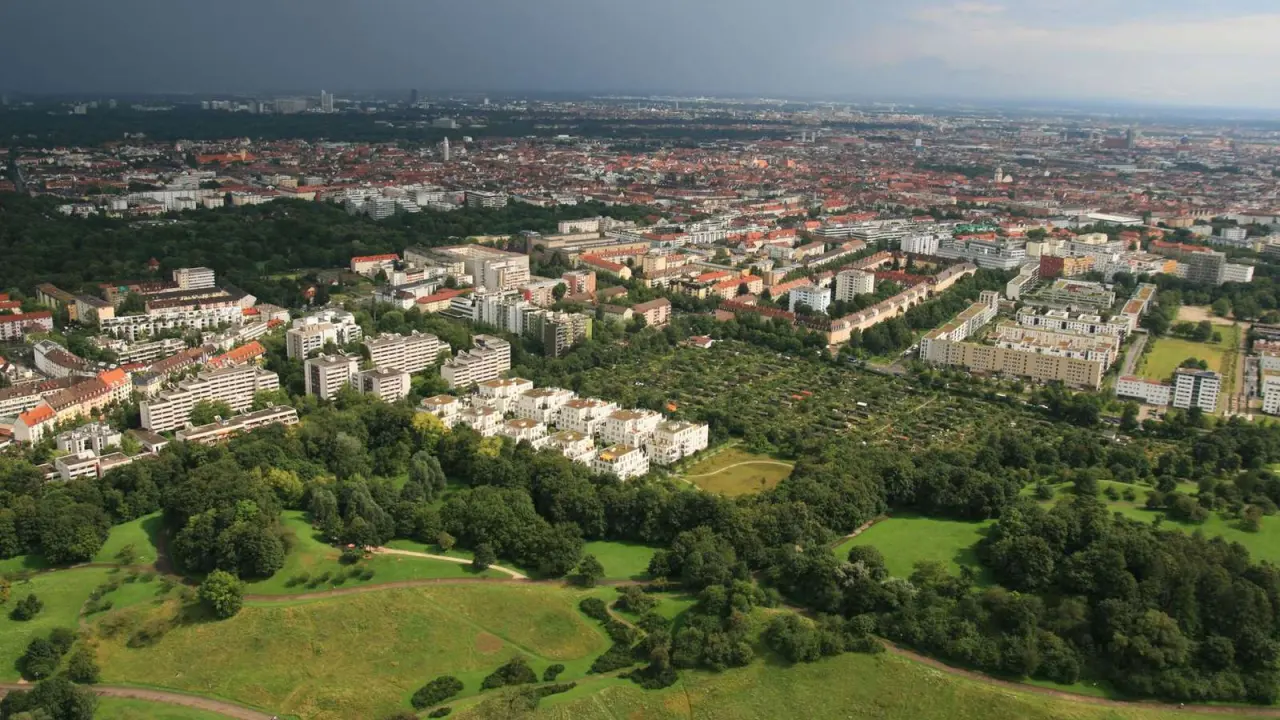
Among the key principles UN-Habitat promotes is optimizing the population and economic density of urban settlements, where appropriate. The qualifier matters: it is not a call for maximum density everywhere.
The same principles list:
- Mixed land use.
- Diversity.
- Better connectivity.
The stated reasoning is to take advantage of the agglomeration of economies and to minimize mobility demand. In plain terms, when homes, jobs and services sit closer together and are well connected, people have less need to travel far.
Planning ahead for growth
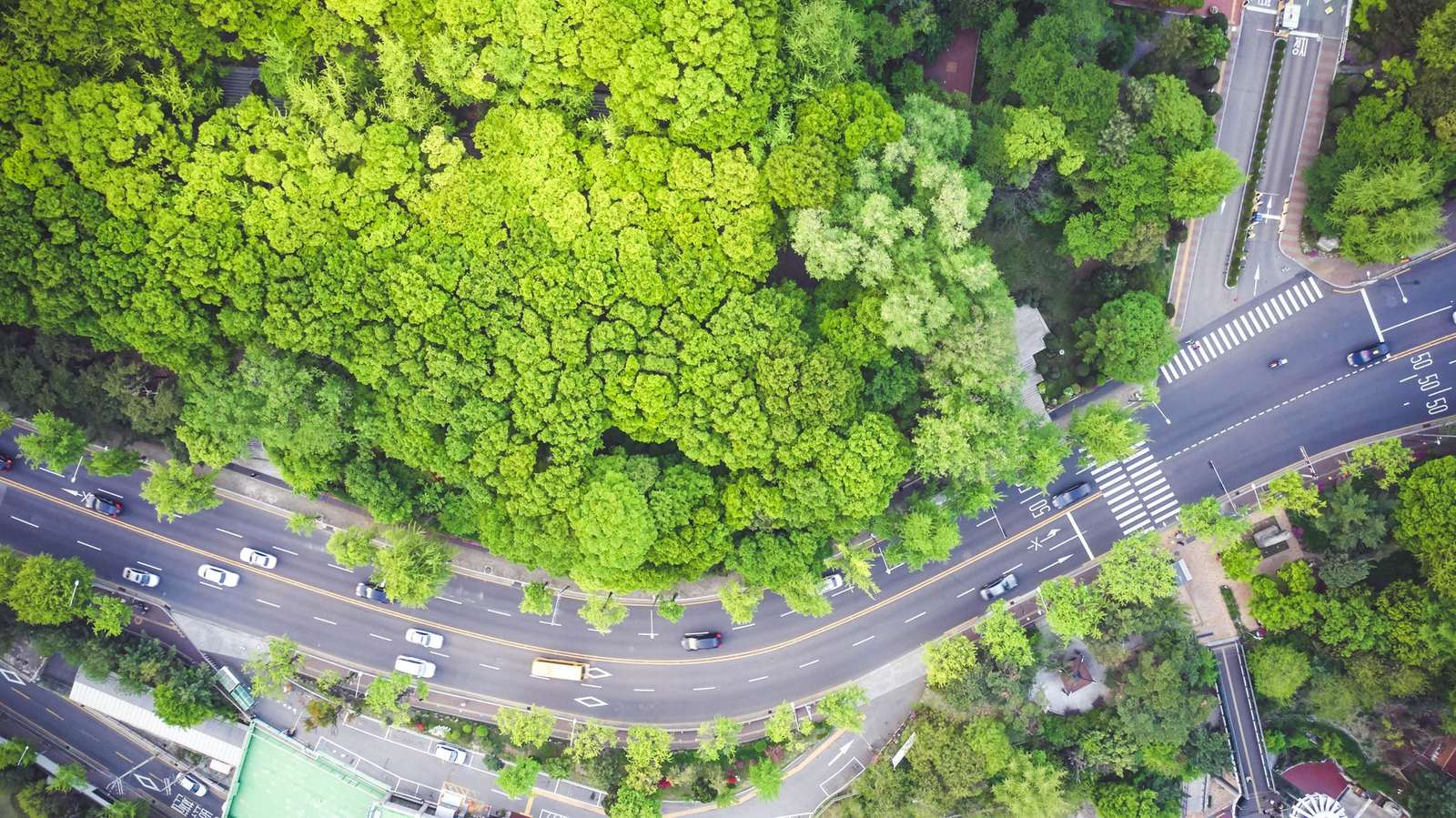
UN-Habitat’s approach emphasizes the need to plan in advance for urban population growth. It should be done on a scale commensurate with the challenges faced, in a phased approach, and with a view to fostering job creation and the development of social capital.
The planning is meant to work across several scales:
- Slum and neighbourhood.
- City.
- Regional.
- National.
- Supranational.
Throughout, the efforts focus on ensuring that planning and design contribute to climate change mitigation and adaptation.
Inclusion and local identity
A plan that works on paper can still leave people out. UN-Habitat says issues of social inclusion are addressed, including gender balance and the inclusion of vulnerable and disadvantaged groups.
The approach also builds on local cultural values and promotes endogenous development. Where possible, locally and regionally defined urban planning and design traditions will be respected, so the principles are not meant as a single template for every place.
From plan to delivery
UN-Habitat’s strategy calls for urban plans and designs to be accompanied by effective implementation mechanisms, in consultation with all relevant sectors and actors. A plan without a route to delivery is only a drawing.
The strategy names several supports for that delivery:
- Building capacity at local, national and global levels.
- Making tested approaches, guidelines and tools available to city, subnational and national governments.
- Working within the framework of decentralization.
- Reinforcing partnerships with United Nations agencies, non-governmental organizations, educational establishments, scientific institutions and professional bodies.
Where buildings fit in
Neighbourhoods are made of buildings, and reusing existing ones is one way to work with what a city already has, as the guide to adaptive reuse of buildings explains.
If you want to see how individual projects are assessed, the comparison of leed vs breeam sets out two rating systems side by side.
Frequently asked questions
What is sustainable urban planning?
Show answer
It is planning and design that aims at compact, socially inclusive, better integrated and connected cities that are resilient to climate change. This follows the objective UN-Habitat states for its urban planning and design area.
Does it mean building as densely as possible?
Show answer
No. UN-Habitat speaks of optimizing population and economic density, where appropriate, alongside mixed land use, diversity and better connectivity.
Why does mixed land use matter?
Show answer
UN-Habitat links mixed land use and connectivity to taking advantage of the agglomeration of economies and to minimizing mobility demand.
Who takes part in urban planning?
Show answer
According to UN-Habitat, delivering a plan involves consulting all relevant sectors and actors. City, subnational and national governments are the ones it aims to equip with tested approaches, guidelines and tools.