If you are asking what community architecture is, here is the short answer: design carried out with the people who live in a place, not just for them. Its best-known early example is a Macclesfield street.
Community architecture sits within the wider conversation about sustainable architecture, where keeping and improving existing homes is part of the picture.
| Item | Value |
|---|---|
| Pioneer of the concept | Rod Hackney, British architect |
| First such project | Black Road, Macclesfield |
| Year linked to the pioneering work | 1974 |
| Method used | Self-help improvement as a General Improvement Area |
| Alternative it was compared with | Mass demolition and redevelopment (cheaper and more popular) |
| Hackney’s RIBA presidency | 1987 to 1989 |
These figures come from Lives Retold and Wikipedia. Dates and details can change, so check the sources before you rely on them.
What community architecture means
Community architecture is the practice of designing and improving buildings and neighbourhoods together with the residents who use them. The idea is tied closely to Rod Hackney, whom Lives Retold describes as an architect who pioneered the concept.
Wikipedia says Hackney was considered the pioneer of the approach in 1974, when he fought slum clearances in Macclesfield and helped local people improve their own surroundings. You can read that account on the Rod Hackney page.
The idea of building with local people is not new in itself. If you want to see how local knowledge shapes buildings in other settings, vernacular architecture is a useful comparison.
Where it began: Black Road, Macclesfield
Hackney’s first such project was at Macclesfield, near Manchester. While he was working on his PhD at Manchester University, he bought a small Victorian terrace house in Black Road, an area under threat of mass demolition and redevelopment, according to Lives Retold.
Working with his neighbours, he fought off the demolition threat. He then organised a self-help improvement of Black Road as a General Improvement Area.
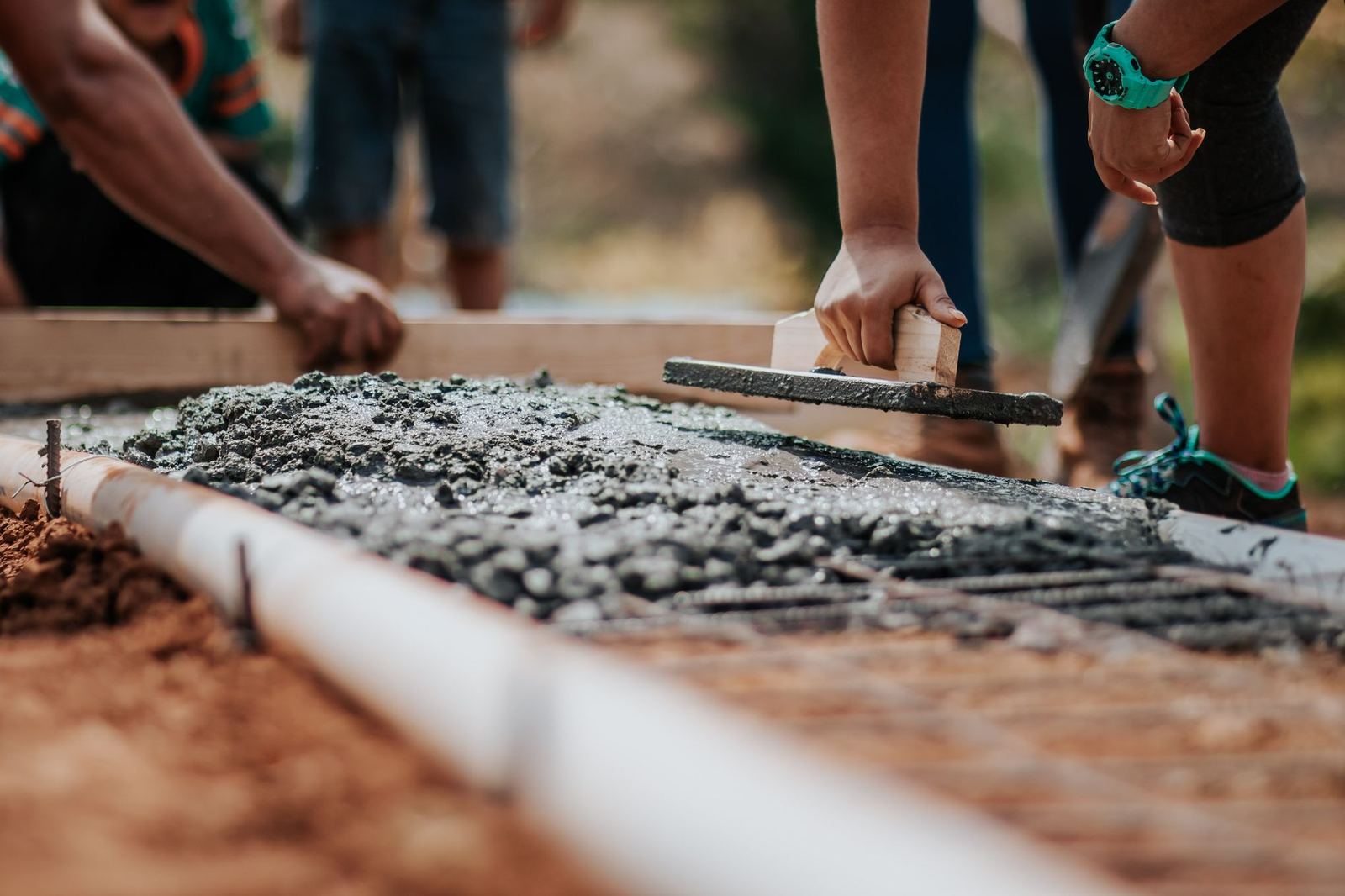
The detail worth noticing is who was involved. The architect was a resident, and the people affected by the plan were the ones shaping the alternative.
How it differs from conventional practice
Conventional practice usually starts with a client who commissions a design, and the architect delivers it. The list below is a general summary drawn from the Black Road example, not a formal definition.
- Who starts the project: in Black Road, it began with a shared threat to the neighbourhood, not a developer’s brief.
- Who does the work: the improvement was organised as self-help, with neighbours taking part.
- What the default option is: the scheme kept and refurbished existing houses instead of clearing them.
- What counts as success: the result was judged against demolition on cost and popularity.
None of this makes the architect less important. The role shifts from author of a finished plan to partner in a process that residents help steer.
Why did refurbishment win at Black Road?
Lives Retold says the self-help improvement was both cheaper and more popular than mass demolition. That combination is hard for a clearance scheme to argue against.
The same source says it became the model for many other schemes for refurbishing Victorian terrace houses instead of replacing them. It describes the large modern housing developments of the time as seriously prone to vandalism, dilapidation and crime.
Keeping existing buildings in use is close in spirit to the adaptive reuse of buildings. Lives Retold is a short biography, so treat its comparison as one source’s summary rather than a full evaluation of every scheme.
Rod Hackney’s wider career
Hackney’s later career shows how an approach that began on one street reached the profession’s leadership. Wikipedia gives these milestones:
- He studied architecture at Manchester University, graduating in 1965.
- He worked at Arne Jacobsen’s practice in Denmark for three years, then returned to Manchester for his PhD.
- In 1972, he formed his own practice, Rod Hackney Architect, in Macclesfield.
- He was President of the Royal Institute of British Architects from 1987 to 1989, and later president of the International Union of Architects.
- In 1990, he co-wrote The good, the bad, and the ugly: cities in crisis with Fay Sweet.
Wikipedia records that he was born on 3 March 1942 and died on 14 August 2025, aged 83. The details are on the Wikipedia page.
Questions to ask about a community-led project
If you are judging a local scheme, the Black Road story suggests a few things to check. This is a reading checklist, not an official standard.
- Who started the project, and who was in the room when the main decisions were made?
- Did residents do or organise part of the work, or were they only informed afterwards?
- Was keeping the existing buildings seriously weighed against replacing them?
- Were cost and local support compared with the alternative, as they were against demolition at Black Road?
A scheme that answers these questions openly is closer to the community approach than one that only uses the word.
Frequently asked questions
What is community architecture?
Show answer
It is architecture done with the people who live in and use a place. The best-documented early example is Rod Hackney’s self-help improvement of Black Road in Macclesfield.
Who pioneered community architecture?
Show answer
Lives Retold and Wikipedia both name Rod Hackney as the pioneer. Wikipedia places the pioneering work in 1974.
How does it differ from conventional architecture?
Show answer
Conventional practice usually runs from client to architect to building. In the community approach, residents help shape and sometimes carry out the work, as the neighbours did at Black Road.
Does community architecture mean never demolishing?
Show answer
The sources do not say that. They describe one case where refurbishment proved cheaper and more popular than mass demolition.